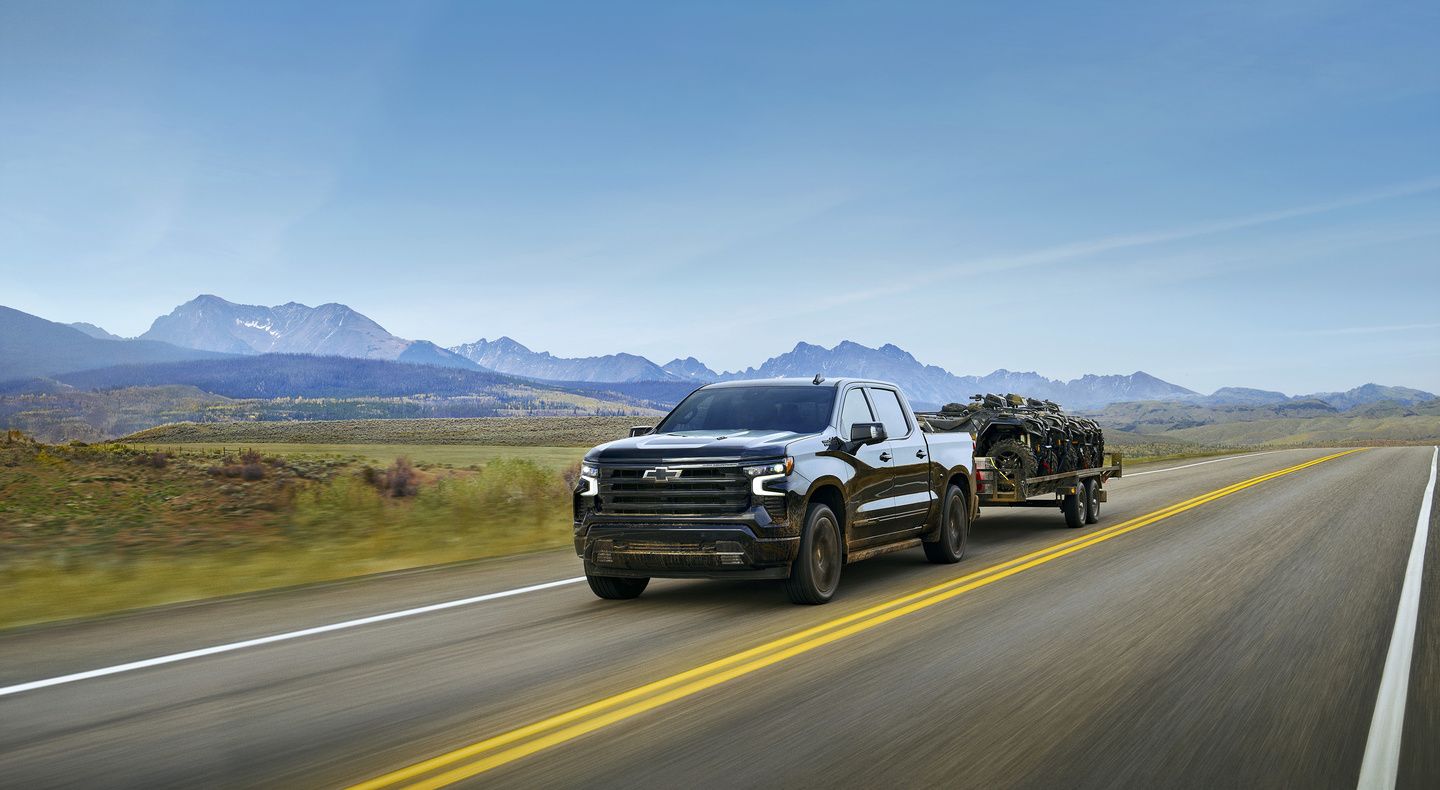
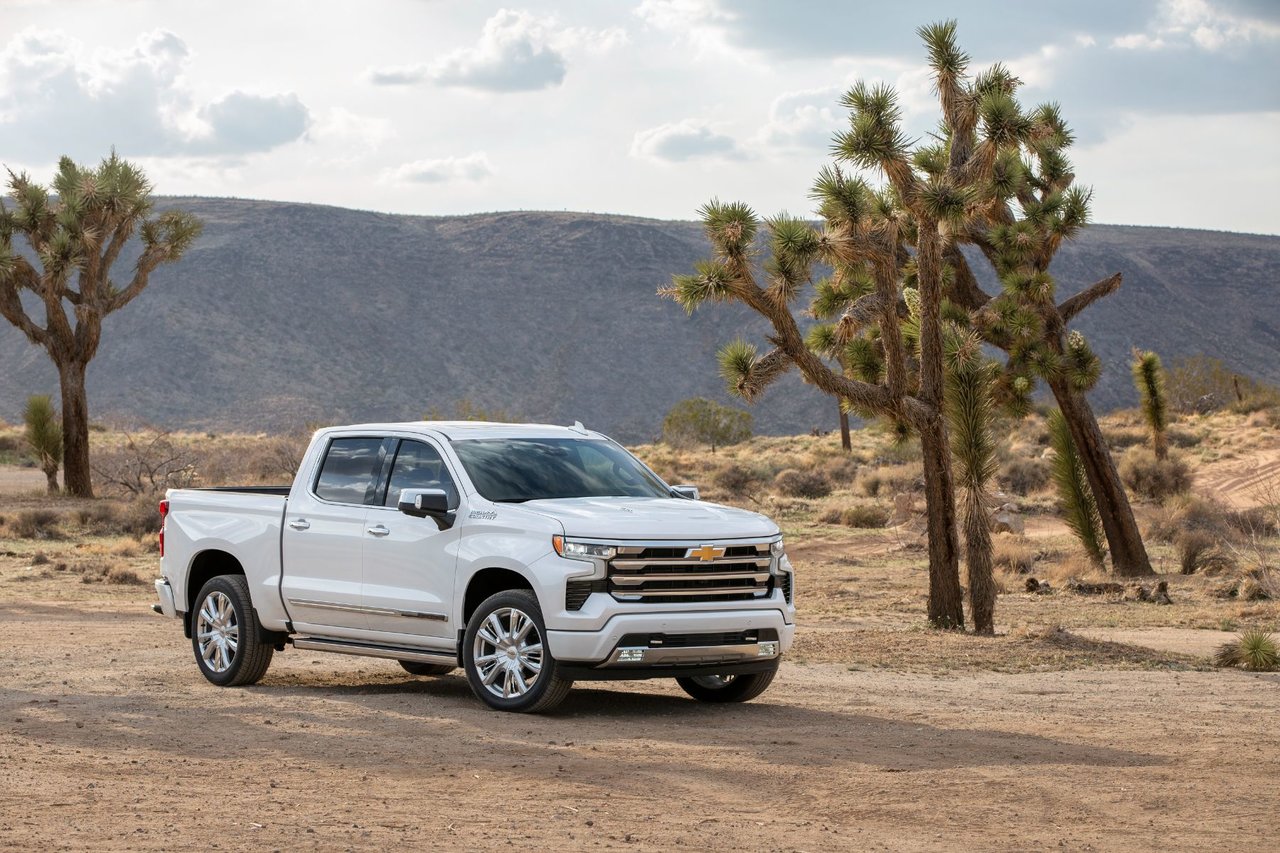
If you spend more time on the highway than in town, whether it’s a weekly work route or hauling a trailer to camp for the weekend, the engine under the hood matters more than the trim badge on the tailgate. The 2026 Silverado 1500 offers a diesel option built with exactly that kind of driving in mind.
Here in Nova Scotia, long stretches of highway between stops are part of daily life for a lot of truck owners. The question worth asking before you shop isn’t just “how much can it tow,” but “how does this engine actually behave on a five-hour drive.”
What The 3.0L Duramax Actually Is
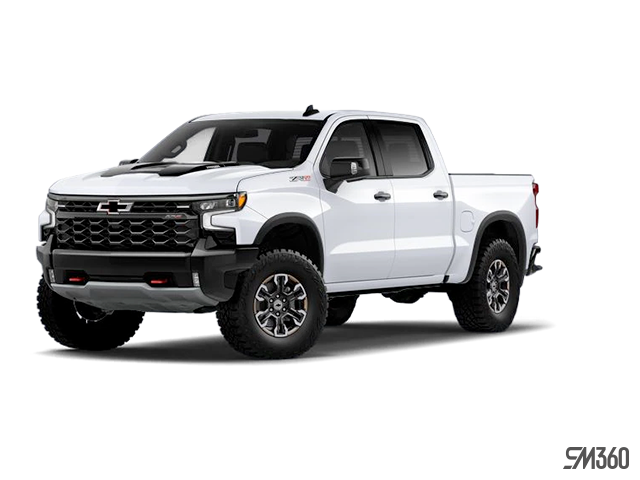
The 3.0L Duramax Turbo Diesel is an inline-six diesel engine offered across a wide slice of the Silverado 1500 lineup: LT, RST, Custom Trail Boss, LT Trail Boss, LTZ, High Country, and ZR2. It isn’t available on the WT or base Custom trims, so it’s positioned as a step-up choice for buyers who already know they want more than an entry-level work truck.
Rated at 305 hp, the Duramax is paired exclusively with the 10-speed automatic transmission. It’s the fuel-focused option in a lineup that also includes the 2.7L TurboMax, 5.3L EcoTec3 V8, and 6.2L EcoTec3 V8, and it’s the one built specifically around highway efficiency rather than peak output.
How It Behaves On Long Drives
Diesel engines deliver their torque low in the rev range, which is exactly what steady highway cruising and loaded trailer pulls call for. Instead of working hard to build power, the Duramax settles into a pull that stays consistent whether the truck is empty or hooked to a trailer.
Tow/Haul Mode adjusts shift points for exactly this kind of driving, and Duramax-equipped trucks add a Diesel Exhaust Brake that engages through Tow/Haul to help manage speed on descents, easing brake wear on long grades. Cruise Grade Braking and Hill Start Assist come standard across the lineup, so the truck is doing some of the thinking for you before you even notice a hill.
Published fuel economy ratings vary by drivetrain, cab and bed configuration, and installed equipment, so the number on paper for one build won’t necessarily match another. The general shape holds, though: this is the highway-oriented engine in the lineup, which fits the long-haul question better than a stop-and-go commute would.
Why Fewer Fuel Stops Matter On Real Trips
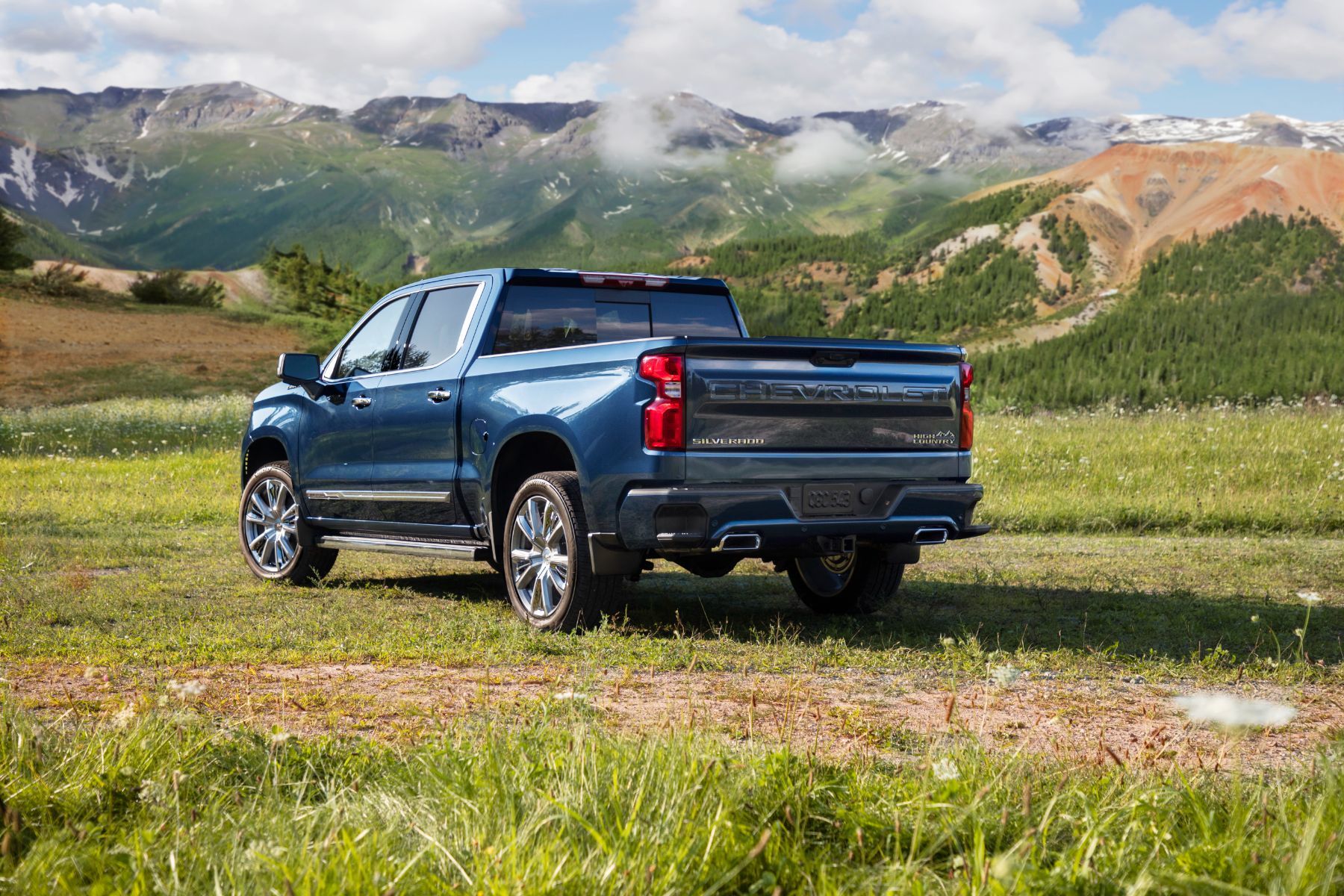
With a 91 L fuel tank on most configurations, fewer fill-ups adds up over a long tow day, a cross-province work run, or a family trip with a loaded trailer. That’s not just about convenience; it’s about not having to plan a route around where the next diesel pump happens to be.
But towing changes the long-haul conversation. It isn’t just about the engine’s own efficiency; it’s fuel economy, trailer weight, and route planning working together. Here’s where the numbers get interesting rather than simple.
|
Engine |
Max Conventional Towing |
Gross Combined Weight Rating |
|
5.3L EcoTec3 V8 |
10,800 lbs (4,899 kg) |
15,000 lbs (6,804 kg) |
|
TurboMax 2.7L |
9,200 lbs (4,173 kg) |
14,500 lbs (6,577 kg) |
|
3.0L Duramax I-6 |
8,700 lbs (3,946 kg) |
17,800 lbs (8,074 kg) |
|
6.2L EcoTec3 V8 |
8,100 lbs (3,674 kg) |
15,000 lbs (6,804 kg) |
The 5.3L V8 actually posts a higher baseline max tow figure than the Duramax. But the diesel carries the highest gross combined weight rating of the group at 17,800 lbs (8,074 kg), and properly equipped with the Max Trailering Package, a Duramax Silverado 1500 can reach 13,300 lbs (6,033 kg) of towing, the top figure in the whole lineup.
Long-haul ease isn’t about chasing the single biggest number on a spec sheet; it’s balancing range, trailer weight, and stability together, and the Duramax’s GCWR advantage is where that balance shows up.
On the ZR2 off-road trim, both the Duramax and the 6.2L V8 drop to 6,000 lbs (2,722 kg) of max towing, a reminder that suspension and off-road hardware reshape the towing picture regardless of engine choice.
Who Actually Benefits From The Diesel
The Duramax makes the most sense for drivers who rack up highway kilometres regularly: frequent towing trips, work routes that cover real distance, or family road trips where a loaded trailer is part of the plan. If most of your driving is short commutes around town, the case for the diesel gets a lot weaker.
Since the Duramax starts at LT, buyers also step up to a 13.4-inch touchscreen and a 12.3-inch reconfigurable Driver Information Centre, features not offered on the base WT. Trailering support extends beyond the engine, too: an Integrated Trailer Brake Controller, Trailer Sway Control, an in-vehicle trailering app with pre-departure checklists, and Super Cruise with a trailer-aware following gap are all part of the picture on higher trims.
Cab and bed choice still shape the diesel’s real-world role. A short bed Crew Cab with Duramax and Max Trailering hardware behaves differently than a Double Cab Duramax without it, even though both carry the same engine. Buyers prioritizing raw towing headroom over fuel stops might lean toward the 5.3L V8 instead; buyers weighing gas-engine simplicity against long-haul GCWR now have a real decision to make, not just a fuel-type preference.
Finding The Right Silverado 1500 Configuration
The 3.0L Duramax gives long-distance Silverado 1500 drivers a genuine alternative to the V8 lineup, trading peak towing numbers for gross combined weight capacity and highway-focused efficiency. Cab, bed, and trailering equipment all shape how that advantage plays out on an actual trip.
Visit Little Chevrolet Buick GMC Limited in Nova Scotia to compare Duramax-equipped Silverado 1500 configurations and find the cab, bed, and trailering setup that matches how you actually drive.